

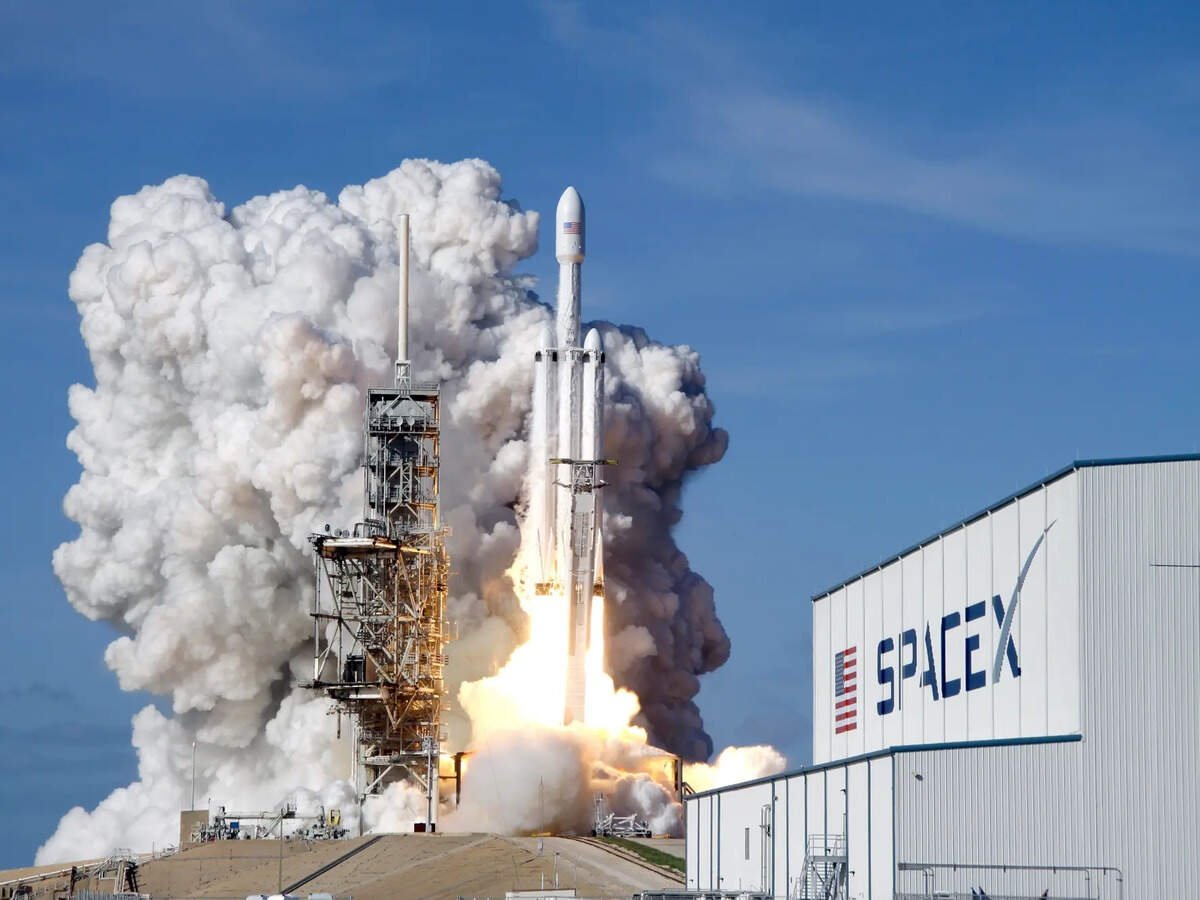
Elon Musk’s Space Exploration Technologies Corp. (SpaceX) is approaching what could be the largest Initial Public Offering (IPO) in history, and the rocket company is structuring the debut with a unique twist: giving retail investors unprecedented access.
While everyday market participants are typically locked out of high-demand equity launches, SpaceX is steering a massive chunk of its initial shares directly to “mom-and-pop” brokerage accounts. However, backing a company that launches rockets and builds massive infrastructure comes with a highly unique set of financial, structural, and operational realities.
Before funding an order, regular investors must look past the stellar hype and evaluate the core mechanics of the offering.
Key Structural Highlights of the SpaceX IPO
-
Massive Retail Allocation: While most standard IPOs reserve a mere 5% to 10% of total shares for individual investors, SpaceX plans to allocate up to 30% of its 555.6 million Class A shares to the retail public.
-
Lowered Financial Barriers: Major brokerages like Charles Schwab, Fidelity, Robinhood, SoFi, and E-Trade are facilitating the rollout. Notably, Fidelity has slashed its traditional equity offering account minimums from $100,000+ down to just $2,000 for the SpaceX launch.
-
The Index Fund Backdoor: Investors who hold broad-market index funds—specifically those tracking the Nasdaq 100 or the popular Invesco QQQ ETF—may automatically become SpaceX owners. Recent rule changes allow mega-caps to enter the Nasdaq 100 after just 15 trading days, meaning passive funds will be forced to buy shares rapidly post-IPO.
The Risk Factors: Financials, Flipping, and Ticker Symbols
| Risk Vector | The Operational Reality | Investor Takeaway |
| Severe Financial Losses | Capital-intensive space exploration and deep tech networks have led to a debt load of $29.1 billion (as of March 2026). The firm lost $4.9 billion in 2025 and an additional $4.3 billion in Q1 2026. | SpaceX explicitly warns that it “may not achieve profitability in the future.” Long-term stock value eventually trails earnings, not hype. |
| Anti-Flipping Restrictions | Due to expected retail frenzy, the stock is flagged for extreme short-term volatility. Individual traders may be tempted to quickly buy and “flip” shares for a first-day bounce. | Major brokerages strictly enforce anti-flipping rules. Dumping your IPO shares within the first couple of weeks can result in being permanently blocked from future equity offerings. |
| Corporate Governance Concerns | The IPO offers Class A shares (1 vote per share). It does not offer Class B shares (10 votes per share). Elon Musk retains enough Class B stock to control over 82% of total voting power. | Institutional pension funds have publicly protested this layout, noting it leaves Musk completely insulated from public shareholder accountability and essentially unfireable. |
| Ticker Identity Confusion | SpaceX plans to list under the ticker symbol “SPCX”. | Investors must exercise caution to avoid confusing it with “SPCE”, which belongs to Richard Branson’s Virgin Galactic Holdings. |
The Long-Term Outlook: Historically, the average IPO sees an initial 7% first-day trading pop. However, data tracking equity debuts over multiple decades shows that IPOs tend to underperform similarly sized market peers by an average of 3.6% per year over the subsequent five-year horizon. For retail investors, backing SpaceX means entering a multi-billion dollar capital intensive cycle where consumer sentiment, narrative, and heavy governance concentration override traditional valuation metrics.
