

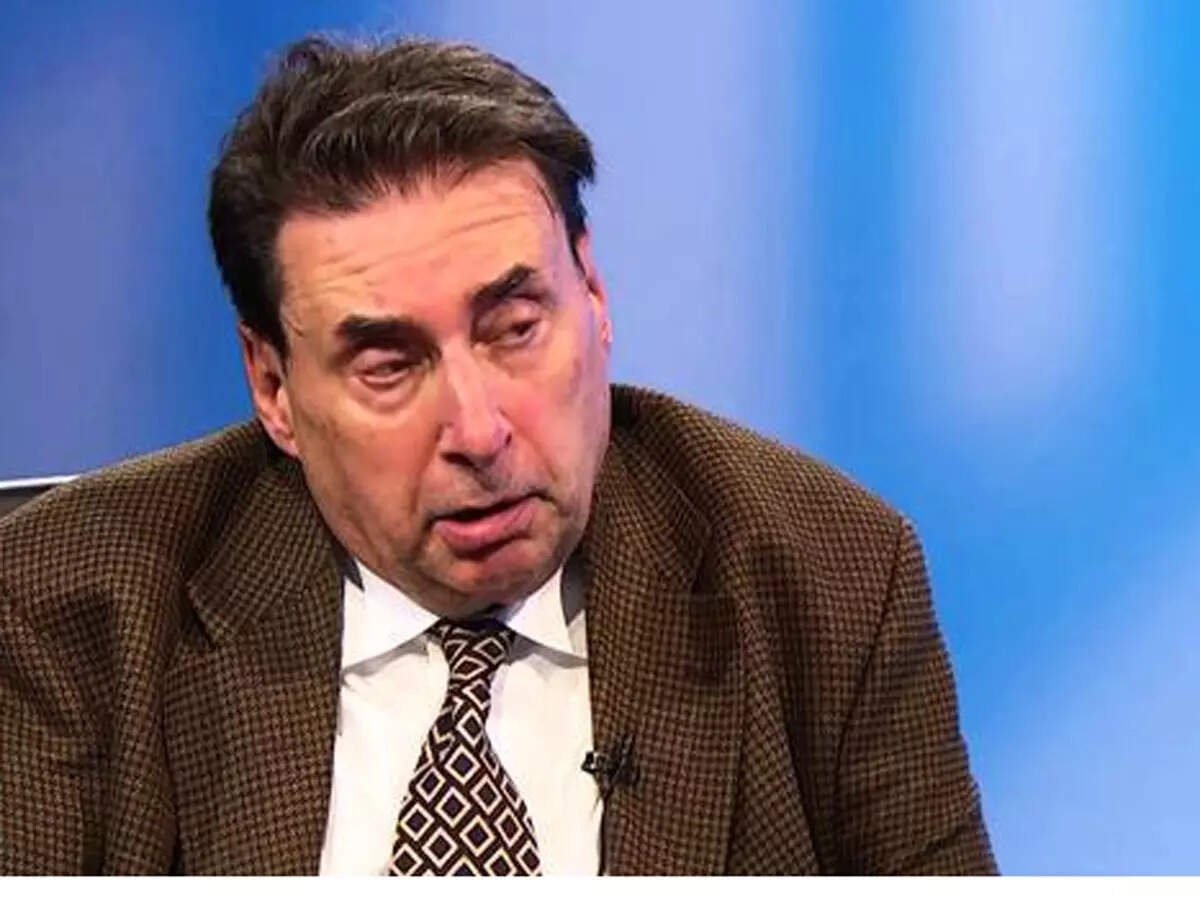
The risk of global stagflation—a punishing macroeconomic mix of stagnant economic growth paired with stubbornly high inflation—is rising rapidly. According to Peter Cardillo, Chief Market Economist at Spartan Capital Securities, the primary culprit behind this darkening economic horizon is a persistent, geopolitically driven surge in global energy prices.
Cardillo warns that as crude oil prices maintain their upward trajectory, central banks are being forced into a tight corner, heavily restricting their ability to cut interest rates.
The Stagflation Threat Explained
Stagflation is historically difficult for policymakers to manage because the traditional tool used to fight inflation—raising interest rates—typically cools economic growth even further. Cardillo outlines how current market dynamics are creating a perfect storm:
-
Energy-Fueled Inflation: Stubbornly high crude oil and gas prices are flowing through supply chains, adding a persistent layer of input costs for manufacturers and transporters.
-
Monetary Policy Gridlock: Because headline inflation numbers refuse to ease to targets, central banks (including the U.S. Federal Reserve) are being pushed to maintain tighter monetary policy or consider further rate hikes rather than the market-anticipated cuts.
-
Growth Compression: Higher interest rates combined with expensive energy are actively choking off discretionary consumer spending and corporate capital expenditure, threatening to tilt major economies into negative growth territory.
“The Damage is Already Done”
Cardillo notes that while global equity markets have occasionally shown short-term resilience, the underlying economic “damage is already done” regarding structural inflation. Commodity markets are pricing in prolonged volatility, and if geopolitical bottlenecks linger, the stabilizing period for global crude could stretch out for several months, intensifying the downside pressure on global GDP.
Wider Macro Impact: Central Banks Hold Fire
This rising stagflationary pressure is already triggering defensive policy moves worldwide:
-
In the United States: Federal Reserve officials are increasingly adopting hawkish rhetoric, with some indicating that current monetary policy might still not be restrictive enough to bring inflation back down to the 2% target.
-
In India: Mirroring these identical pressures, the Reserve Bank of India (RBI) unanimously held its key repo rate steady at 5.25%. The RBI explicitly cited amplified inflation risks stemming from the oil shock, while simultaneously trimming India’s GDP growth forecast for FY27 to 6.6% due to West Asian geopolitical clouds.
You can watch Peter Cardillo break down the global impact of these energy market shocks and rising inflation pressures in this Market Economist Peter Cardillo Interview on Times Now, where he provides further context on the ongoing geopolitical strains affecting global finance.
