

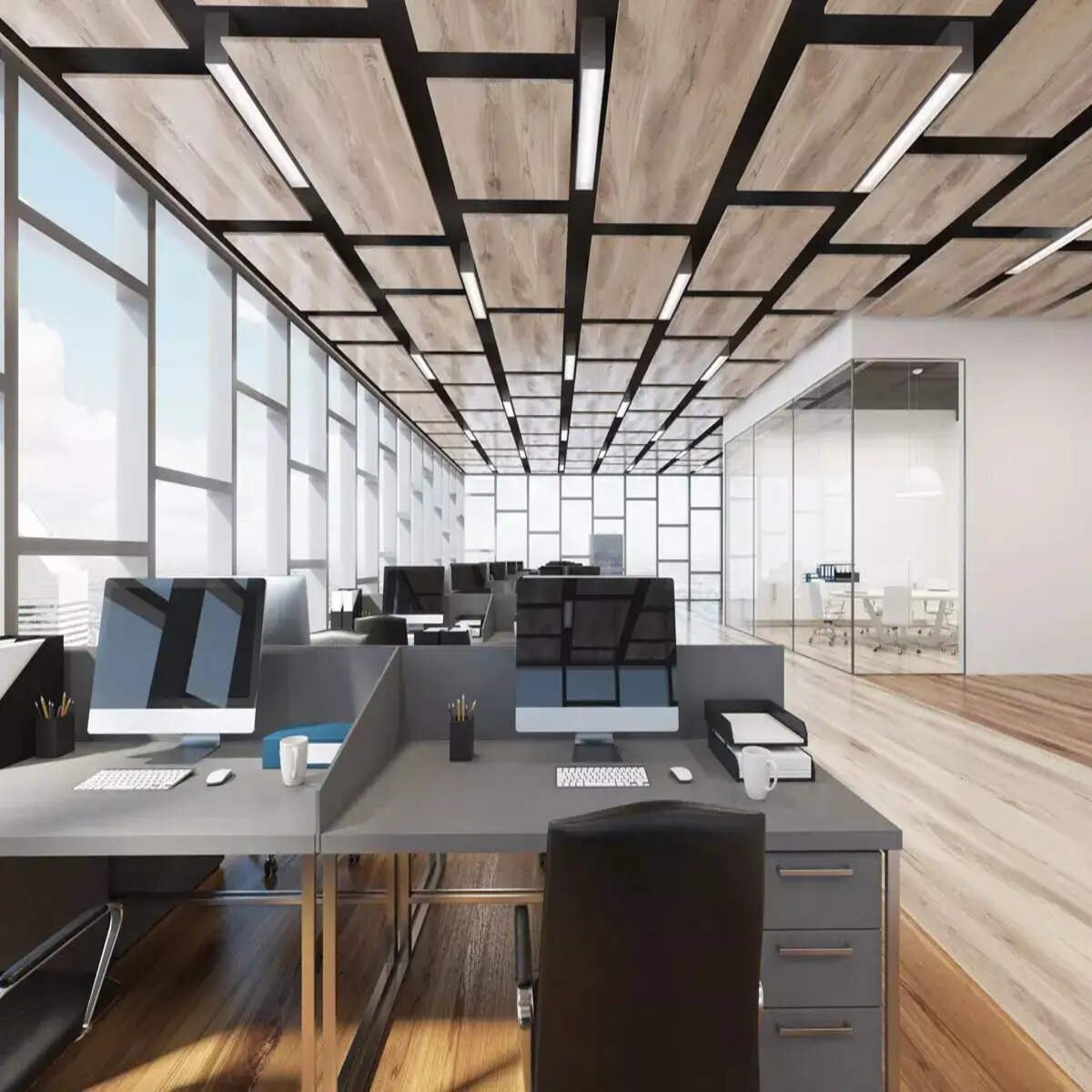
As workplace expectations continue to evolve post-pandemic, major corporations are shifting away from traditional lease models toward hospitality-driven managed workspaces. Large occupiers are increasingly willing to pay a premium for Grade A+ office buildings that offer five-star hotel-like amenities, concierge services, and high-end flex solutions.
Workspace Evolution: Traditional vs. Hospitality-Led Managed Spaces
| Parameter | Traditional Managed Office | Hospitality-Led Managed Office |
| Primary Focus | Seating density, basic infrastructure, and cost efficiency | Employee experience, health & wellness, and premium aesthetics |
| Service Standard | Standard facility management and basic cafeteria | Concierge desk, executive lounge, curated F&B, and hotel-grade service |
| Market Players | Awfis, WeWork, Table Space | Kepler, The Executive Centre, CorporatEdge |
| Building Grade | Grade A / B | Grade A+ prime commercial towers |
| Occupier Strategy | Cost optimization & core ops | Talent retention, employer branding, & flexible scaling |
Key Drivers Behind the Shift
-
Talent Attraction & Hybrid Alignment: To encourage employees to return to office physical spaces, companies are turning workplaces into “destination experiences” equipped with premium lounges, wellness centers, and curated dining.
-
Speed-to-Market & Agility: Specialized operators allow enterprises to scale up or enter new geographic markets rapidly without incurring heavy capital expenditure (CapEx) or long-term lease liabilities.
-
The Rise of “Facility as a Service”: Occupiers expect flexible workspace operators to act as active hospitality partners rather than passive real estate landlords.
“Occupiers these days are ready to pay a premium for services offered at the centre. The workspace has evolved post-Covid… The service experience at these centres should be at par with a five-star hotel, as premium space occupiers are used to having that experience in their day-to-day lives.”
— Tushar Mittal, Founder of Kepler
