

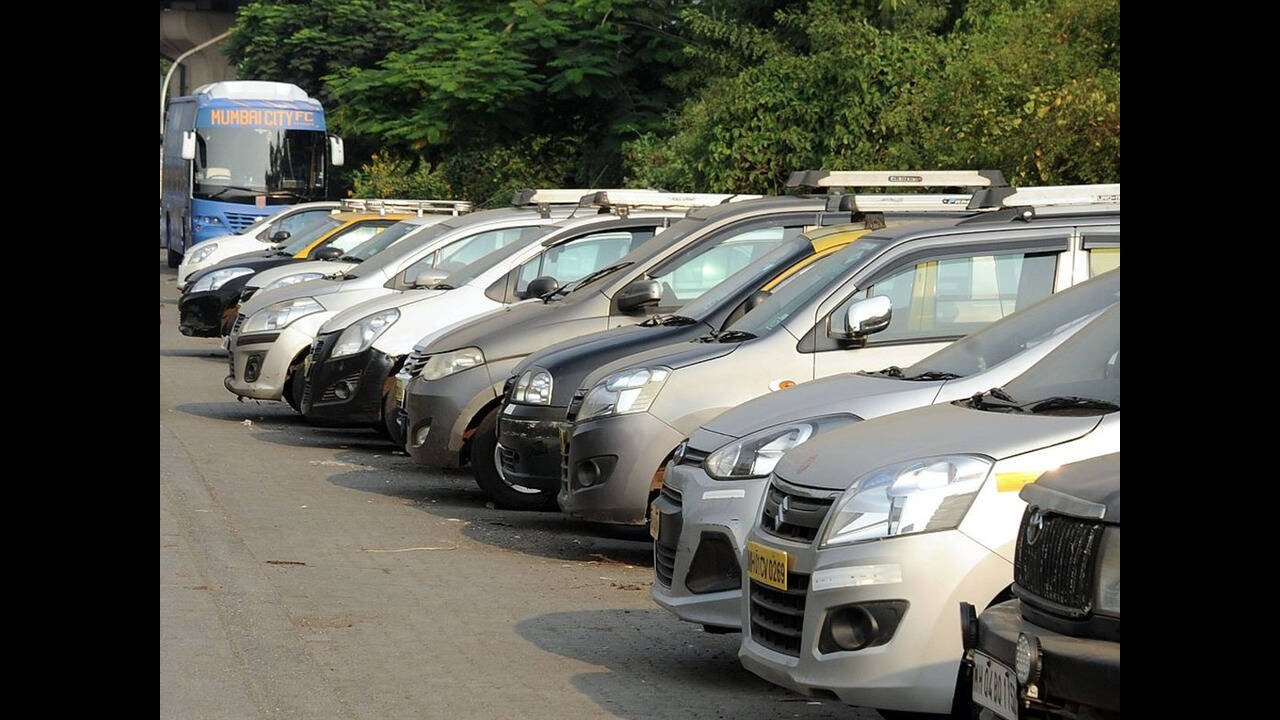
A major shift toward zero-commission and subscription-based business models is gaining traction across India’s ride-hailing sector. By moving away from high platform commission cuts—which traditionally ranged between 20% and 30% per trip—drivers stand to earn an estimated additional ₹1.36 lakh ($1,600) annually.
Key Takeaways
-
Subscription Over Commissions: Under traditional ride-hailing platforms like Ola and Uber, driver partners pay a significant slice of every fare in commissions. Emerging platforms (such as Namma Yatri, Rapido, and open mobility networks like ONDC) are popularizing flat daily or monthly subscription fees instead, leaving 100% of the fare directly with the driver.
-
Significant Financial Relief: The transition away from high commission fees translates to a massive jump in net take-home earnings—up to ₹1.36 lakh per driver per year. This boost offers critical financial relief amid rising fuel costs and vehicle maintenance expenses.
-
Enhanced Driver Retention: Platform switching and high driver turnover have long troubled the industry. Offering zero-commission incentives helps platforms retain drivers, leading to better fleet availability and shorter wait times for passengers.
-
Changing Competitive Dynamics: Established market leaders are facing growing pressure to adjust their revenue models or introduce lower-commission incentives to avoid losing driver supply to zero-commission disruptors.
Impact Summary
| Perspective | Impact |
| For Drivers | Higher daily net income, predictable fixed subscription costs, and reduced financial stress. |
| For Passengers | More reliable driver availability, reduced ride cancellations, and fairer fare structures. |
| For Platforms | Shift in revenue strategy from per-ride commissions to recurring subscription revenues and transaction fees. |
