

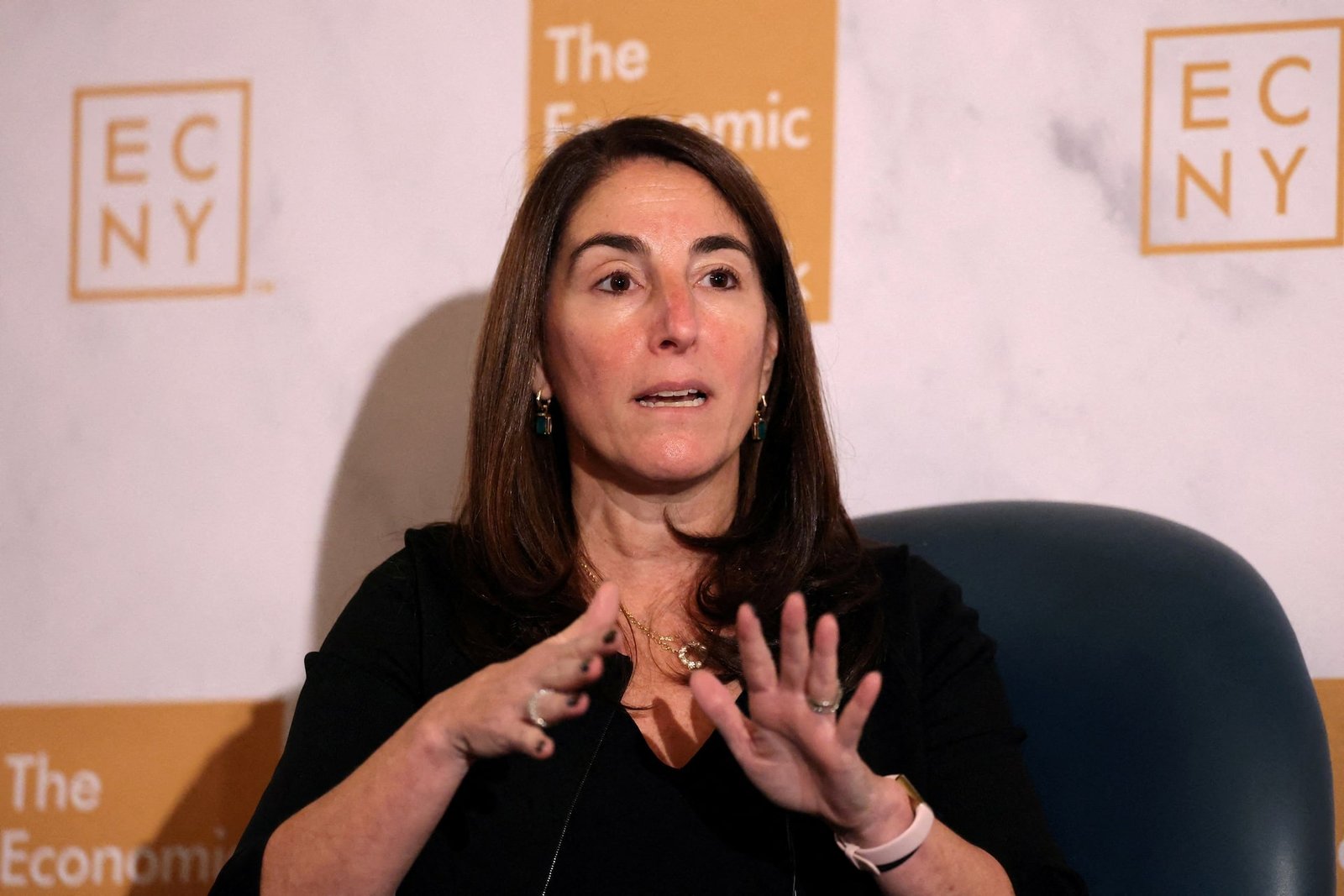
In a sharp departure from the central bank’s recent policy narrative, Cleveland Fed President Beth Hammack has delivered a stark warning to global financial markets: the Federal Reserve may need to restart interest rate hikes in the near future to combat stubborn, intensifying inflationary pressures.
Hammack’s comments have injected fresh volatility into Wall Street and emerging markets alike, upending expectations of a prolonged monetary policy pause or potential rate cuts.
Why the Fed’s Stance is Hardening
Speaking on the evolving economic landscape, Hammack highlighted that while previous supply chain bottlenecks have largely normalized, secondary inflationary drivers are proving far more resilient than anticipated. The central bank is facing a complex matrix of domestic and global headwinds that threaten to unanchor long-term inflation expectations.
The primary catalysts behind this hawkish shift include:
-
Resilient Consumer Demand: Despite higher borrowing costs, consumer spending and tight labor markets continue to fuel service-sector inflation.
-
Commodity Shockwaves: Renewed geopolitical friction, particularly in key energy and shipping corridors, has driven a structural rebound in crude oil and raw material costs.
-
Sticky Core Inflation: While headline numbers have periodically dipped, core inflation metrics—which strip out volatile food and energy costs—remain stubbornly above the Fed’s 2% target.
The Ripple Effect on Global Markets
Hammack’s clear signaling that “more restrictive policy cannot be ruled out” serves as a reality check for equity markets that had been aggressively pricing in a softer macroeconomic landing. A renewed upward trajectory for U.S. interest rates carries immediate, heavy implications for global capital flows.
A higher-for-longer U.S. rate environment typically strengthens the U.S. Dollar, exerting downward currency pressure on emerging markets like India and escalating imported inflation risks globally. For asset allocators, this shift recalibrates the risk-reward equation, driving capital away from highly valued growth sectors and back into short-term treasury yields and defensive assets.
