

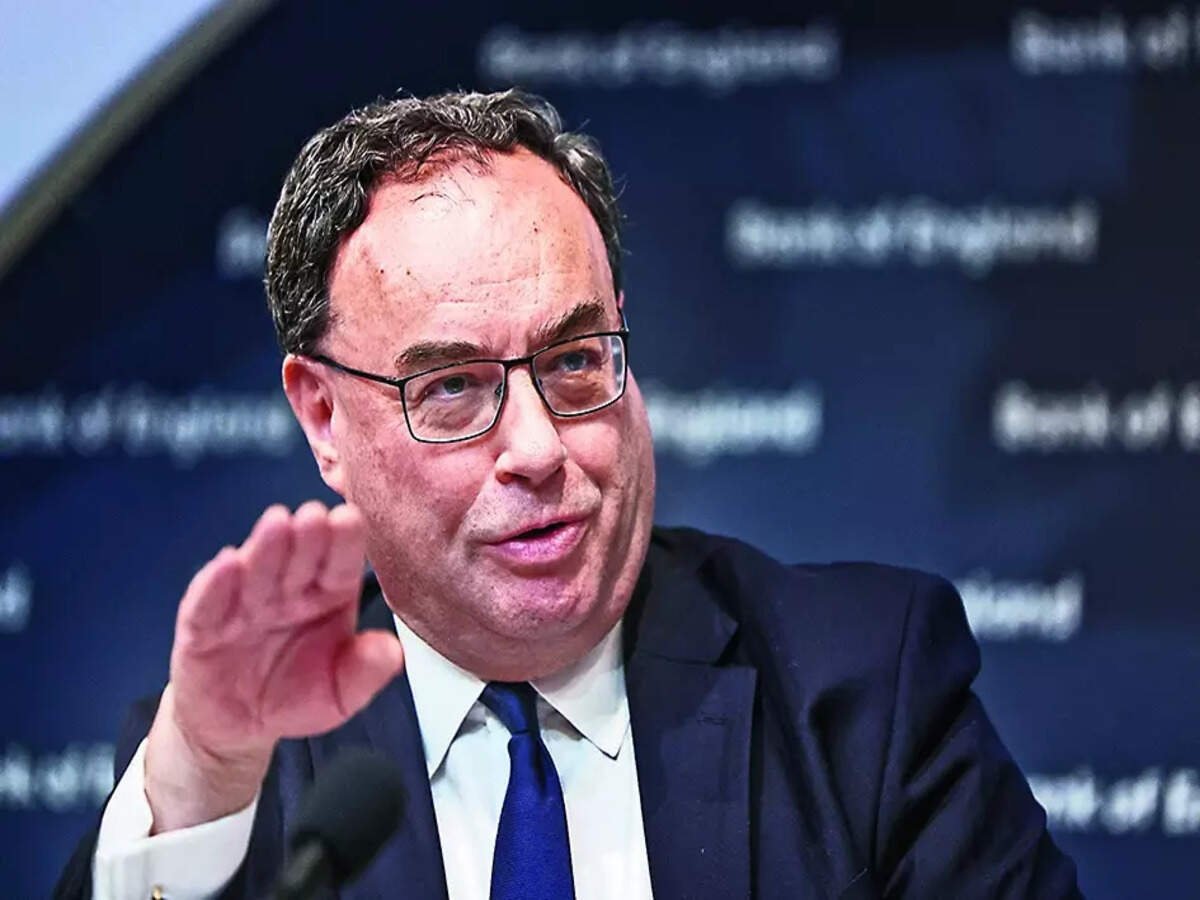
Bank of England Governor Andrew Bailey has issued a firm directive to British lawmakers: restoring inflation cleanly to its 2% anchor is non-negotiable for preserving public trust in monetary policy. Speaking before the House of Lords’ Economic Affairs Committee, Bailey aggressively shut down a growing academic and political debate to artificially raise the inflation target to 3% as a shortcut to masking recent target misses.
“We have to focus more on how we manage the path back to target, and… ultimately get there,” Bailey stated, emphasizing that moving the goalposts would severely damage the central bank’s structural credibility.
The Geopolitical Trap and Economic Reality
The UK’s economic backdrop has grown increasingly fragile following a volatile 2026. While British consumer price inflation cooled to 2.8% in April, the macroeconomic horizon is heavily clouded. Energy and supply line shocks triggered by the US-led bombing campaigns and broader escalation of the Iran war have completely upended global assumptions.
At the start of the year, financial markets confidently anticipated a pair of interest rate cuts down to 3.25%. Instead, the geopolitical energy shock has forced a complete reversal, with bond markets now aggressively pricing in a defensive rate hike up to 4.00% before winter.
The Bank of England’s internal modeling showcases the high stakes:
-
The Base Case: The BoE officially projects headline inflation will gravitate back toward 4% by late 2026 as energy volatility naturally cools.
-
The Adverse Scenario: If geopolitical flare-ups trigger a secondary energy spike alongside sticky wage demands, the central bank warns inflation could effortlessly breach 6% by early 2027.
The Trade-Off: Soft Growth vs. Sticky Wages
For now, Bailey is preaching strategic patience, guiding a divided 8-1 Monetary Policy Committee to maintain the benchmark lending rate at 3.75%. The central bank finds itself caught in a painful structural trade-off. Raising rates too quickly could choke out an already soft, weak domestic growth environment.
However, Bailey warned that the BoE’s tolerance for holding steady will vanish instantly if “second-round effects”—specifically entrenching wage-price spirals across a tight domestic labor market—begin to show up in corporate operating matrices. For global asset allocators, the message is clear: British monetary policy will remain highly restrictive, forcing a deeply selective approach to UK corporate equities and fixed-income assets throughout the year.
