

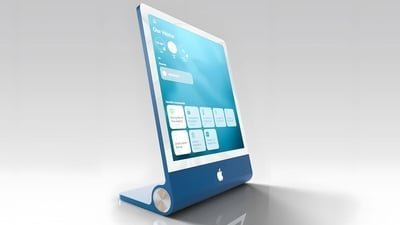
Following a high-profile hardware cycle that introduced the iPhone 18 Pro series and the foldable iPhone Duo, Apple is reportedly gearing up for another major product rollout. According to reports from Bloomberg’s Mark Gurman, the Cupertino tech giant is setting its sights on the smart home sector, with an expected launch event or announcement window on October 13.
Rather than a simple iterative update, this push represents a concerted effort to anchor Apple’s ecosystem deeply into household automation, intelligent displays, and ambient AI. Here is an in-depth look at what Apple is reportedly bringing to the table.
1. The Crown Jewel: Apple’s First Dedicated Smart Home Hub (Codenamed “J490”)
For years, rumor mills have pointed toward Apple developing a dedicated wall-mounted or tabletop command center for the home. That device is finally expected to break cover in October.
-
Design and Form Factor: Codenamed “J490,” the hub is expected to feature a distinct 6-inch or 7-inch square-shaped touchscreen mounted on a sleek circular base. Apple is reportedly developing two distinct variants: a portable tabletop model equipped with a built-in speaker for room-to-room convenience, and a wall-mounted configuration designed to replace traditional light switches or serve as a central household notice board.
-
Processing Power & AI: Under the hood, the hub is rumored to run on Apple’s A18 chipset, providing the raw horsepower necessary to handle advanced localized processing, fluid animations, and robust machine learning tasks.
-
Siri AI & FaceTime Integration: The inclusion of front-facing camera hardware will reportedly enable FaceTime calling, gesture controls, and automated user recognition. Furthermore, the device is expected to serve as a primary showcase for Apple’s next-generation Siri AI capabilities, allowing for conversational, context-aware command of home appliances, lights, and media.
-
A New Operating System: To run this hardware, Apple is reportedly spinning up a brand-new operating system optimized for fixed-position smart displays. Expect customizable clock faces, glanceable widgets, automated security feeds, and fluid interactive controls.
2. HomePod mini (2026): A Long-Overdue Internal Refresh
Launched originally in 2020, the compact HomePod mini has remained largely unchanged on the inside despite becoming a staple entry point for HomeKit users.
-
Chipset & Intelligence Upgrade: The refreshed 2026 model is slated for a substantial internal overhaul, bringing it up to speed with modern processing standards and integrating Siri AI for more responsive, on-device query handling.
-
Connectivity & Networking: Apple is reportedly equipping the new mini with its proprietary N1 networking chip alongside a second-generation Ultra Wideband (UWB) chip. These upgrades could introduce Wi-Fi 7 support to the compact speaker, ensuring faster data throughput, lower latency, and more robust multi-room audio synchronization.
3. Apple TV 4K (2026): Enhanced Performance and AI Integration
Apple’s premier streaming box is also in line for a mid-cycle refresh, focusing primarily on internal performance rather than a radical external redesign.
-
Faster Processing: Like its audio counterpart, the new Apple TV 4K will receive a next-generation processor upgrade to handle heavier UI animations, more responsive app switching, and advanced gaming via Apple Arcade.
-
Siri AI & Connectivity: Deeper integration with Siri AI will allow for smarter content recommendations, natural-language media searches, and improved handoff features across iPhones and iPads. It is also expected to adopt Apple’s latest networking modules for improved streaming stability.
-
Note on the Full-Size HomePod: While earlier supply chain leaks suggested a refreshed full-size HomePod might accompany this lineup, current reports indicate that larger speaker variant has been delayed and will debut at a later date.
Why This October Push Matters
Apple’s pivot toward a dedicated smart home hardware ecosystem addresses one of the company’s long-standing gaps: a centralized, screen-based physical node for home automation. While competitors like Amazon (Echo Show) and Google (Nest Hub) have dominated this category for years, Apple’s combination of the A18 chip, advanced Siri AI, and tight ecosystem integration could redefine what users expect from a smart home control center.
