

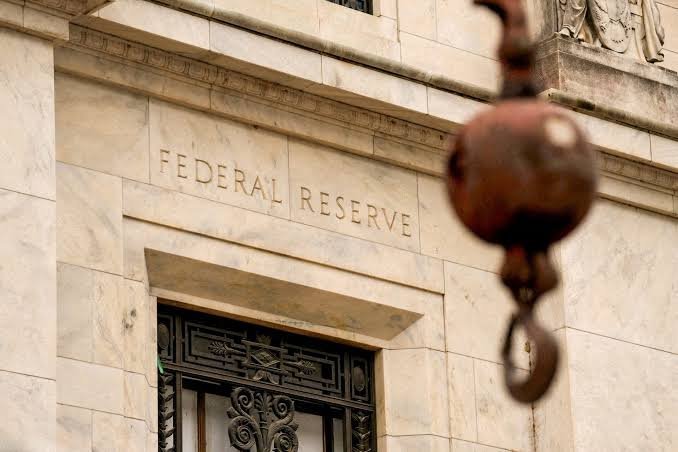
Wall Street’s macroeconomic landscape is experiencing a fresh wave of hawkish sentiment as major financial institutions re-evaluate the trajectory of US monetary policy. In a notable pivot, analysts at Barclays have updated their outlook on the Federal Reserve, projecting that persistent economic resilience and stubborn inflationary undertones will prompt the central bank to implement two interest rate hikes over the course of 2026.
Shifting Perspectives on Monetary Policy
For much of the prior cycle, market participants largely priced in scenarios centered around steady policy normalization or prolonged pauses following peak rates. However, recent economic data—highlighted by resilient consumer spending, robust labor metrics, and sticky core inflation readings—has forced institutional forecasters to recalibrate.
A hawkish shift by a heavyweight institution like Barclays underscores growing apprehension that the Federal Reserve may need to lean back toward tightening measures to firmly anchor long-term price stability. Such a trajectory sharply contrasts with dovish expectations, introducing potential headwinds for risk assets that have grown accustomed to loose monetary conditions.
Implications for Wall Street and Global Markets
The prospect of renewed rate hikes carries far-reaching consequences across asset classes:
-
Bond Yields & Fixed Income: Anticipation of higher terminal rates naturally pushes US Treasury yields upward, elevating risk-free return benchmarks.
-
Equity Valuations: Higher discount rates traditionally weigh on growth and technology stocks, compressing valuation multiples across major Wall Street indices.
-
Foreign Capital Flows: Elevated US yields tend to strengthen the US dollar and draw institutional liquidity back toward domestic debt instruments, frequently creating capital outflow pressures for emerging and developing markets.
As investors digest Barclays’ updated outlook, market attention will remain intensely focused on upcoming macroeconomic releases and central bank commentary to gauge whether other Wall Street desks will follow suit in turning hawkish on the Fed.
