

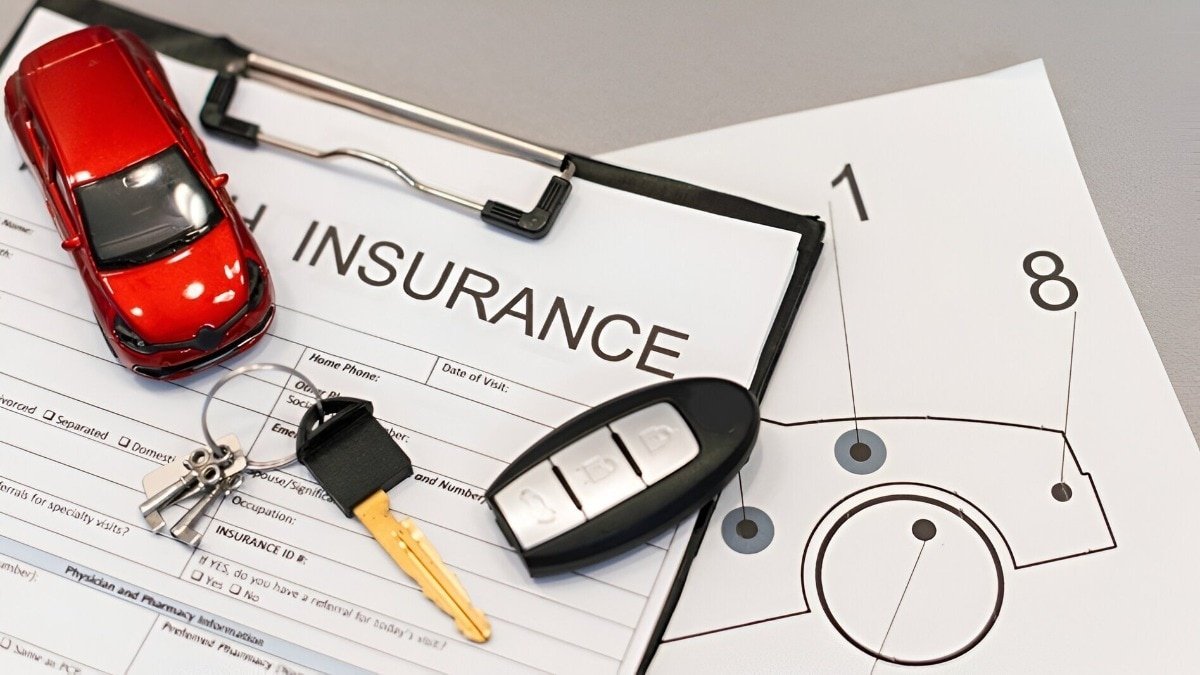
When purchasing motor insurance, opting for a basic third-party policy is often a tempting budget choice. However, a lower premium usually means significantly less financial protection.
While third-party cover satisfies the bare legal requirements for driving on Indian roads under the Motor Vehicles Act of 1988, it leaves the vehicle owner completely exposed to out-of-pocket repair costs. To safeguard your finances against theft, accidents, and unpredictable natural disasters, a comprehensive policy is often the more practical route.
1. Third-Party Insurance: The Legal Minimum
Third-Party (TP) insurance is designed to protect other people, not you or your car. The premium is heavily regulated and standardized by the government based purely on your vehicle’s engine cubic capacity (cc).
What it Covers:
-
Legal and financial liabilities if your car injures or causes the death of a third party.
-
Financial compensation for damage caused to someone else’s property (vehicles, structures, or public property).
What it Excludes:
-
Absolutely everything related to your own vehicle. If your car is crashed, stolen, or vandalized, your insurer pays nothing.
Who is it for? Third-party cover is generally suited only for owners of vintage, very old, or low-value vehicles where the market value of the car is close to or less than the annual cost of a comprehensive premium.
2. Comprehensive Insurance: All-Round Protection
A comprehensive policy acts as a dual shield. It automatically includes the mandatory third-party liability cover and layers on Own Damage (OD) protection.
This means the insurance company steps in to pay for repair or replacement costs if your vehicle is damaged due to:
-
Road accidents, collisions, or overturning.
-
Theft, burglary, or malicious damage.
-
Fire, self-ignition, or lightning.
-
Natural calamities such as floods, cyclones, landslides, and earthquakes.
3. Customization Through Add-On Riders
The absolute value of comprehensive insurance lies in the ability to customize your risk exposure using add-on covers. For a slightly higher premium, you can plug massive out-of-pocket financial gaps:
-
Zero Depreciation: The most popular add-on. Standard policies deduct high depreciation costs on plastic, rubber, and metal parts during a claim. A Zero Dep cover forces the insurer to pay 100% of the parts replacement costs.
-
Engine & Gearbox Protect: Essential for water-logged cities. Standard comprehensive plans do not cover engine damage caused by hydrostatic lock (cranking the car in a flood). This rider covers expensive engine overhauls.
-
Return to Invoice: If your car is stolen or totaled beyond repair, a standard policy only pays out the current Insured Declared Value (IDV). This rider bridges the gap, ensuring you get a payout equal to the original invoice price you paid at the showroom, including registration and road tax.
Direct Comparison: How They Stack Up
| Feature / Risk | Third-Party Cover | Comprehensive Cover |
| Legal Compliance | ✓ Full Coverage | ✓ Full Coverage |
| Third-Party Injury & Property Damage | ✓ Full Coverage | ✓ Full Coverage |
| Accidental Damage to Your Vehicle | ✗ No Coverage | ✓ Full Coverage |
| Theft & Total Loss | ✗ No Coverage | ✓ Full Coverage |
| Natural Disasters (Floods/Storms) | ✗ No Coverage | ✓ Full Coverage |
| Eligibility for Add-on Riders | ✗ Disallowed | ✓ Full Availability |
| Premium Pricing | $Lowest (Fixed) \vert{}$$ Variable (Based on IDV & Add-ons) |
“Opting only for a basic third-party policy may seem budget-friendly, but it does not cover damage to your own vehicle. The real value of comprehensive insurance lies in selecting add-ons that suit your daily usage and local environment.” — Mayur Kacholiya, Go Digit General Insurance
