

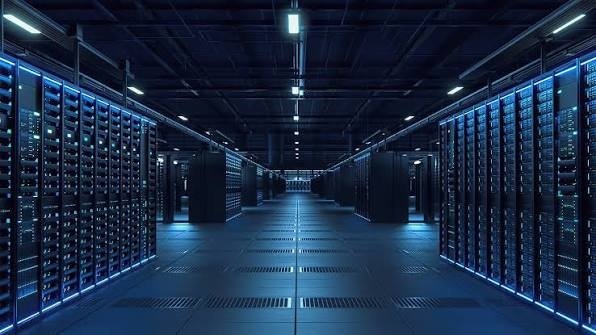
In an opinion piece by climate-tech investor Mridula Ramesh (published August 3, 2026), the rapid proliferation of artificial intelligence (AI) data centres in India is critically examined. The article argues that offering heavily subsidized electricity, unpriced groundwater, and unquestioned grid support to hyperscalers creates an uncompensated environmental burden for host cities without guaranteeing true AI capability or long-term economic development.
The Hidden Resource Footprint
Data centres act as physical “feet of clay” for virtual AI platforms, creating three major resource pressures:
1. Electricity & Grid Infrastructure
-
Massive Consumption: A typical 100 MW data centre requires over 2 million units of power daily.
-
India Projection: Indian data centre electricity demand is projected to surge from 10 TWh in 2025 to 191 TWh by 2040.
-
The Grid Dilemma: While tech giants frequently buy renewable energy certificates, solar and wind remain intermittent. State utility grids bear the financial and technical cost of providing constant baseload power and handling periodic load spikes.
2. Water Stress in Vulnerable Cities
-
Location Risk: Indian data centres primarily cluster where undersea cables land—predominantly Mumbai and Chennai—cities already facing acute water strain.
-
Onsite Usage: Depending on the cooling system, a 100 MW facility can use up to 2+ million liters of water per day.
-
Invisible Aquifers: Unlike Western countries with clear utility metering, unpriced groundwater in India is drawn from invisible aquifers, risking depletion before local communities realize the cost.
3. Waste Heat & Thermal Microclimates
-
Urban Warming: Recent research shows local temperatures near operational data centres rise by approximately 2°C, with detectable thermal shifts expanding up to 10 km away.
-
Living Conditions: In sweltering Indian coastal cities during El Niño years, this extra thermal load degrades urban liveability and pushes local ambient temperatures higher.
The Economic Paradox: What Does India Gain?
| Claimed Benefit | Realistic Outcome |
| Job Creation | Construction yields temporary jobs (mostly for migrant labor). A completed 100 MW site employs only 30 to 60 permanent onsite workers, primarily in low-skilled maintenance and security roles. |
| Tech Ownership | Merely hosting hardware racks built on imported chips, servers, and software models does not equal owning the AI economy—it amounts to providing subsidized real estate. |
| Consumer Benefits | Everyday users enjoy low-cost or free AI prompts because local communities quietly bear the indirect utility and environmental costs. |
Actionable Solutions for Responsible Scale
The author emphasizes that India should not reject data centres, but rather compel hyperscalers to pay their true operational costs and drive technological solutions:
-
Mandate Resource Transparency: Require clear disclosures and fair market pricing for electricity, water, and thermal output.
-
Circular Water Systems: Enforce closed-loop cooling systems utilizing treated municipal sewage instead of fresh groundwater.
-
Waste Heat Capture: Incentivize heat pumps to upgrade waste heat (25–40°C) to industrial temperatures (90–120°C) for nearby commercial or processing applications.
-
Grid Balancing Contributions: Require data centres to fund energy storage hubs and localized grid resilience projects rather than relying on state power subsidies.
Key Takeaway: Subsidizing scarce water, electricity, and local thermal capacity without retaining strategic IP or sustainable infrastructure isn’t national development—it is subsidizing foreign tech infrastructure at local expense.
