

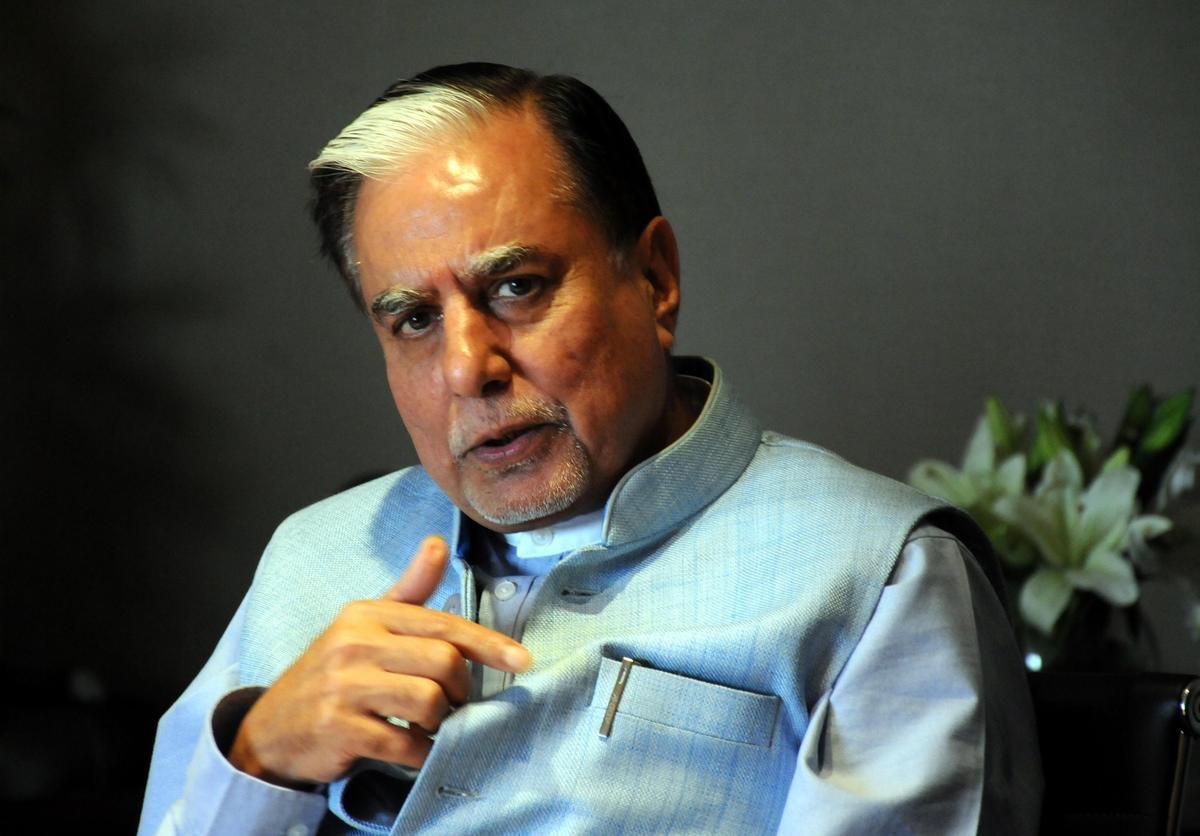
A newly constituted five-member special bench of the National Company Law Tribunal (NCLT), headed by President Justice Anupinder Singh Grewal, has stayed the implementation of Essel Group chairman Subhash Chandra’s controversial personal insolvency repayment plan.
Key Highlights of the NCLT Order
-
Stay on the Settlement: The tribunal ruled that there was no valid majority view supporting the proposed repayment plan, meaning no final order could be enacted at this stage.
-
Asset Freeze: The NCLT explicitly directed Subhash Chandra not to alienate, transfer, or dispose of his properties, either directly or indirectly, pending further proceedings.
-
Notices Issued: Notices have been issued to all contesting parties to re-examine the scope of the dispute and hear out dissenting creditors.
The Controversy Behind the ₹6.25 Crore Plan
The legal battle stems from a contested repayment proposal in which creditors would recover a meagre ₹6.25 crore from Chandra’s personal estate against total admitted claims staggering at roughly ₹22,006 crore. These claims largely originate from personal guarantees Chandra extended for corporate loans taken by Essel Group entities rather than direct personal borrowings.
The case escalated to a five-member special bench following a split verdict between a two-member NCLT division bench, which was subsequently referred to a third member. While the third member’s intervention led to an initial approval, public sector banks and other dissenting creditors fiercely challenged the ruling—often dubbed a fraction-of-a-claim settlement—calling it inadequate and detrimental to lender rights.
Next Steps in Court
With the NCLT special bench halting the execution of the order, public sector lenders—including LIC Housing Finance, Canara Bank, and Union Bank, represented by Solicitor General Tushar Mehta—have taken their appeals forward to the National Company Law Appellate Tribunal (NCLAT) for urgent hearings.
