

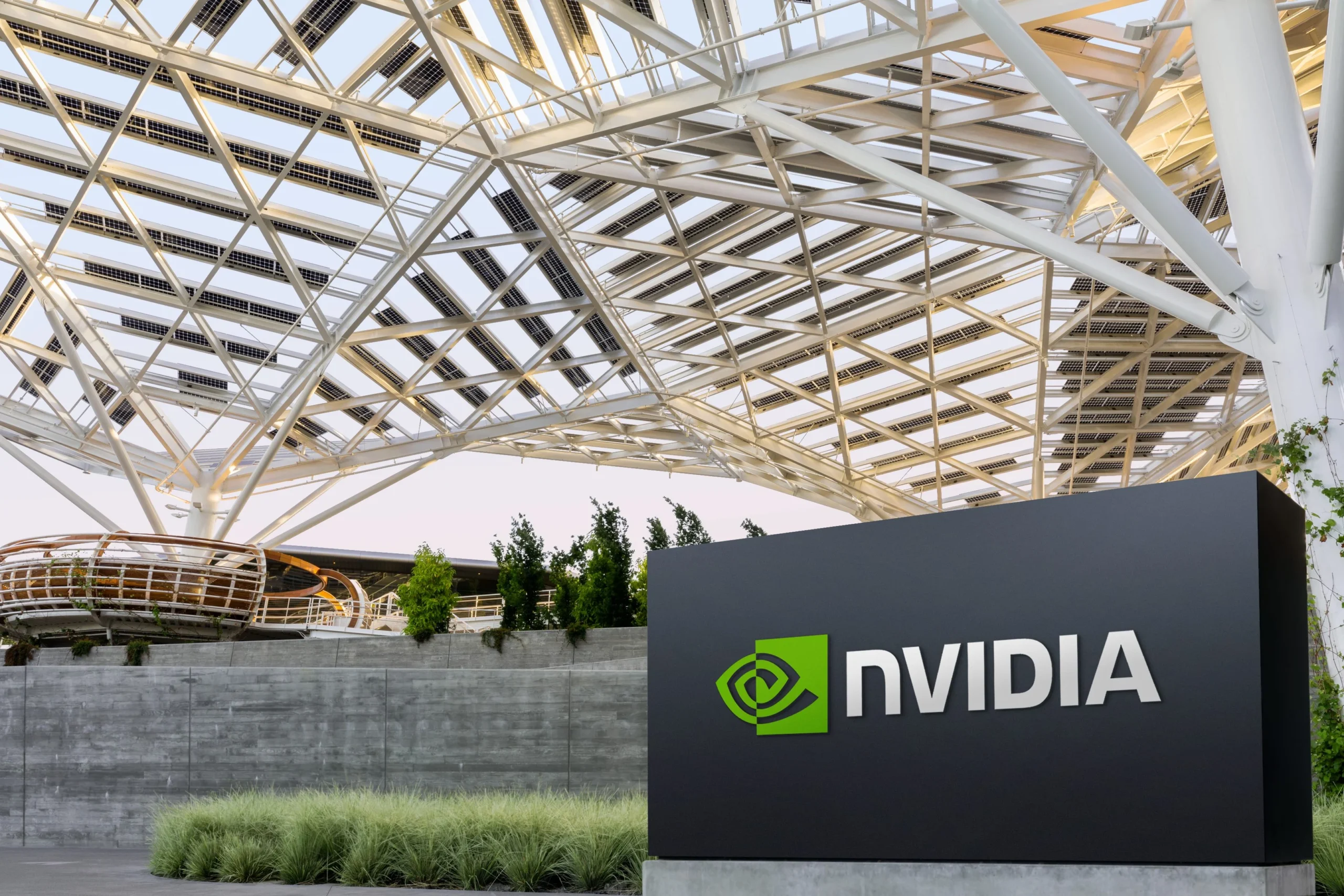
Nvidia CEO Jensen Huang announced a strategic initiative alongside six Wall Street institutions—including BlackRock, Blackstone, Apollo, Brookfield Asset Management, Goldman Sachs, and KKR—to mobilize over $500 billion in third-party capital for building out global AI infrastructure.
The initiative aims to shift the market perception of graphics processing units (GPUs) and data centers from rapidly depreciating technology hardware into long-term, revenue-generating “investable assets”.
Key Highlights of the $500 Billion Initiative
1. AI Compute as Productive Infrastructure
-
Shift to Asset Class: Jensen Huang highlighted that AI hardware is no longer a traditional IT component, but essential infrastructure akin to electricity grids or the internet.
-
Revenue-Generating Assets: Nvidia argues that its GPU platforms (such as the H100 and A100 series) are fungible, transferable, and generate steady cash flow across multiple clients and AI workloads.
-
Software-Driven Longevity: Continuous updates through Nvidia’s CUDA platform extend the productive lifecycle and economics of existing chips already deployed in data centers.
2. Wall Street Financing & Risk-Sharing
-
Dedicated Capital Pools: The memorandums of understanding (MOUs) signed with financial managers create private credit, securitized debt, and project finance pools offering lower borrowing rates for Nvidia’s customers.
-
Nvidia Backstop Support: To incentivize institutional participation, Nvidia has the option to backstop up to $125 billion (25%) of the potential financing deals.
-
Scaling AI “Factories”: Institutional private equity and credit will fund large-scale data center builds (costing upwards of $50B to $60B per gigawatt) across cloud providers, enterprise labs, and sovereign AI projects.
Wall Street Considerations & Technological Risks
While the move unlocks massive liquidity for customers buying Nvidia hardware, analysts and institutional investors note several structural questions:
-
Hardware Obsolescence vs. Loan Terms: Unlike physical infrastructure like real estate or aircraft, AI hardware evolves rapidly. A key challenge remains whether loan schedules will align with the working life of GPUs before newer architectures render them less profitable.
-
Secondary Market & Resale Uncertainty: High rental demand for current-gen GPUs supports cash flow, but residual values for older silicon face steep depreciation risks over multi-year financing horizons.
-
Circulatory Risk: Because Nvidia is helping facilitate and partially backstop the credit used to purchase its own chips, market observers keep a close eye on concentrated exposure across the AI ecosystem.
