

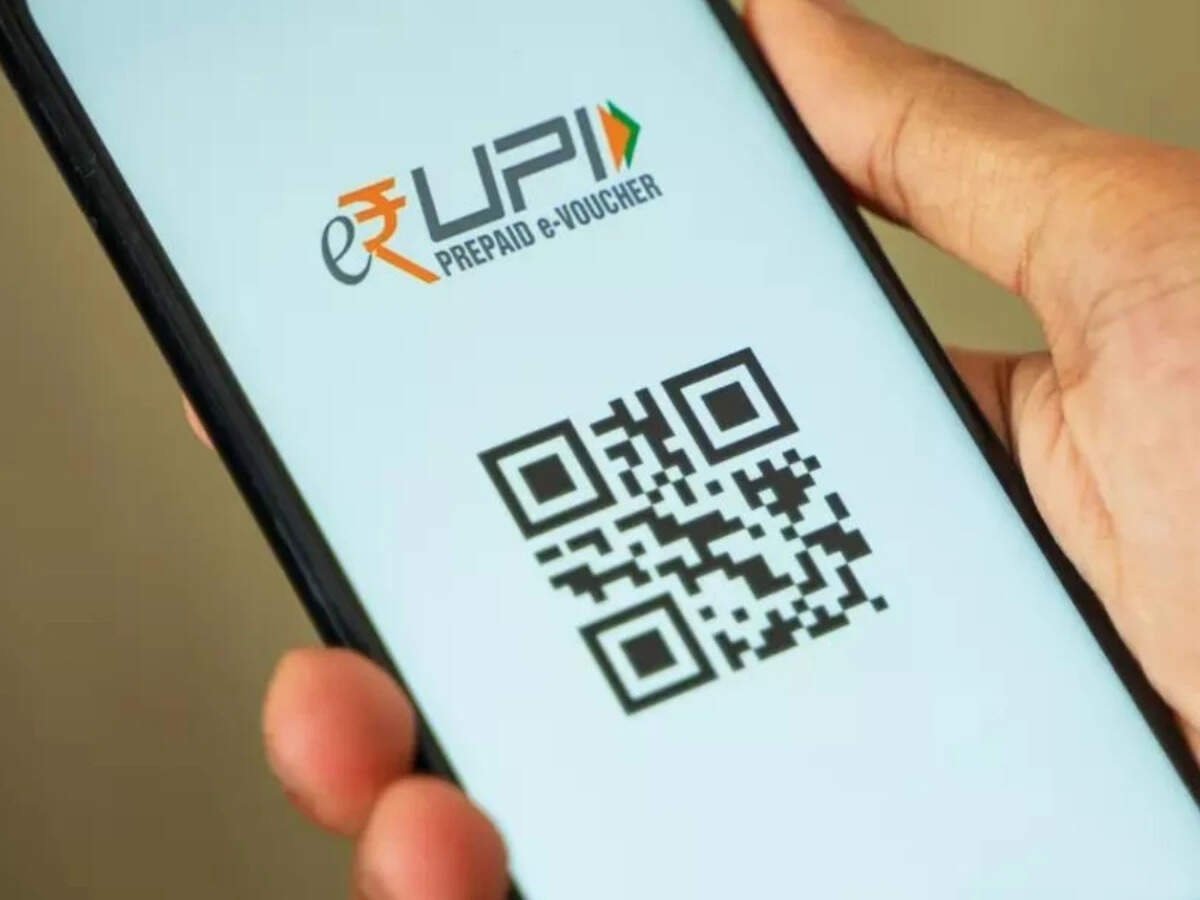
Finance Minister Nirmala Sitharaman introduced the Taxation and Other Laws (Amendment) Bill in Parliament, proposing amendments to Section 10A of the Payment and Settlement Systems Act, 2007. The proposed amendment removes the mandatory zero-MDR rule, giving the government flexibility to reintroduce a Merchant Discount Rate (MDR) on select high-value UPI transactions.
Key Highlights of the Proposal
-
Threshold Focus: Any potential MDR levy is expected to apply primarily to transactions exceeding ₹2,000 processed by large merchants (e.g., annual turnover exceeding ₹1.5 crore to ₹50 crore).
-
Estimated Rates Under Discussion: Brokerage and industry estimates suggest a proposed fee between 0.25% to 0.40% (or 5 to 40 basis points), though final notified rates are pending government confirmation.
-
Exempted Transactions: Person-to-Person (P2P) transfers and payments to small merchants (e.g., local grocers, vegetable vendors, auto drivers) will remain completely free of charge.
-
95%+ Transactions Unaffected: Transactions above ₹2,000 represent approximately 4% to 5% of total UPI volume, but account for nearly 65% to 70% of total transaction value.
Detailed Breakdown: Stakeholder Impact
1. Impact on Everyday Consumers
-
Direct Cost: Zero. MDR is an enterprise-facing charge paid by the accepting merchant, not a direct fee debited from the customer’s bank account.
-
Routine Payments: Everyday transactions (milk, groceries, small retail purchases) fall under the ₹2,000 threshold and will carry no MDR.
-
Indirect Impact: Some large retailers could theoretically factor payment acceptance costs into product pricing, though strong retail competition is expected to limit price pass-through.
2. Impact on Merchants
-
Small Merchants: Small traders and micro-enterprises will remain exempt under proposed turnover and ticket-size thresholds.
-
Large Merchants & Enterprise Retail: Large businesses accepting high-ticket digital payments will face a modest MDR cost, similar to debit or credit card acceptance fees (which typically range higher, up to 0.9% for debit cards and 1.5%–3% for credit cards).
3. Impact on Payment Apps & Banks (GPay, Paytm, PhonePe, Partner Banks)
-
Revenue Model: Since the zero-MDR mandate was introduced in January 2020, payment aggregators, fintechs, and banks relied almost entirely on government subsidies to cover operational expenses.
-
Infrastructure Investment: Reintroducing a tiered MDR will establish a self-reliant revenue model, allowing payment service providers to fund cloud infrastructure, fraud prevention mechanisms, and cybersecurity upgrades for high-volume transactions (over 23.6 billion monthly transactions worth ₹29.9 lakh crore).
Comparison: Proposed UPI MDR vs. Existing Card Fees
| Parameter | Credit Cards | Debit Cards | Proposed UPI (>₹2,000) |
| MDR Rate Range | 1.5% – 3.0% | Up to 0.9% | 0.25% – 0.40% (Proposed) |
| P2P Charges | N/A | N/A | Free (₹0) |
| Transactions Under ₹2,000 | Standard MDR applies | Standard MDR applies | Free (₹0) |
| Fee Payer | Merchant | Merchant | Merchant |
