

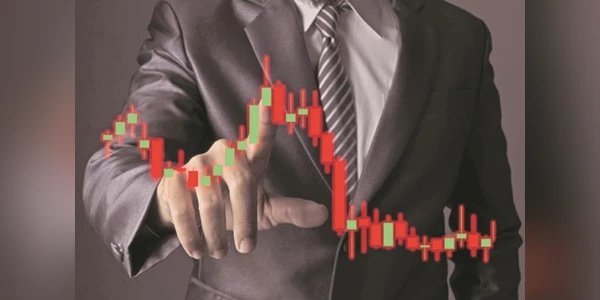
In his communications to shareholders, Warren Buffett has famously challenged one of modern finance’s most established metrics: Beta. While academia and Wall Street often use Beta to measure risk based on price volatility, Buffett argues that this definition is fundamentally flawed. To him, a stock that drops significantly in price isn’t necessarily riskier—it is often simply cheaper.
The “Beta” Fallacy vs. Value Investing
Standard finance theory suggests that if a stock’s price swings wildly, it is high-risk. Buffett contends that this conflates volatility with permanent loss of capital. For a long-term investor, price drops are the mechanism that creates a “margin of safety.”
-
Wall Street’s View: High Volatility = High Risk.
-
Buffett’s View: High Volatility = Opportunity to buy quality assets at a discount.
Sentiment vs. Reality
Risk is often defined more by market sentiment than by balance sheets. This creates a psychological trap for the average investor:
-
The Bull Market Paradox: In periods of extreme optimism (like early 2024), investors feel “safe” even when valuations are astronomical. Paradoxically, this is when risk is at its highest because the probability of overpaying is nearly 100%.
-
The Bear Market Opportunity: When the market corrects and valuations drop, investors often flee in panic, citing “high risk.” In reality, risk is often lower during a crash because the entry price provides a buffer against further downside.
The Role of Fundamentals
The transition from 2024 to 2026 highlights this shift. Many speculative companies that commanded billion-dollar valuations despite poor fundamentals have since delisted or collapsed. Meanwhile, “Good companies with sound fundamentals”—those with consistent earnings and manageable debt—remain standing.
For the disciplined investor, the goal is not to avoid price swings, but to distinguish between a temporary dip in price and a permanent decline in business value. As Buffett suggests, wealth is built by those who understand that risk isn’t a squiggle on a chart; it’s the danger of not knowing what you are buying.
