

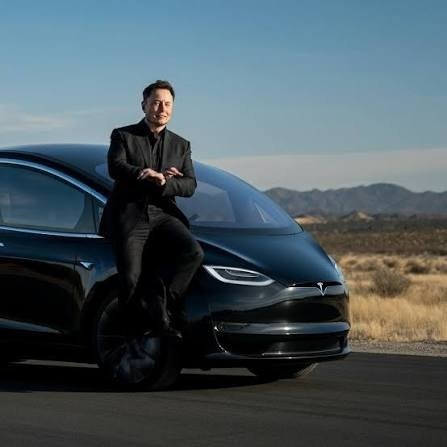
Tesla is doubling down on its shift from a pure automaker to an AI and robotics giant. Speaking during the company’s Q2 earnings call, CEO Elon Musk outlined plans to expand unsupervised robotaxi services across the U.S., framing autonomy and humanoids as the core engine for Tesla’s long-term value.
However, Wall Street’s immediate focus remains split between this futuristic pivot and short-term financial pressure.
1. Robotaxi Expansion: Fast Growth Guarded by Safety
While Tesla aims to scale its driverless ride-hailing fleet rapidly, Musk emphasized that regulatory scrutiny and safety concerns act as the primary speed bumps.
-
Zero-Harm Mindset: Musk noted that while tens of thousands of traffic deaths occur annually in the U.S., any single incident involving a self-driving Tesla would draw intense global media scrutiny and swift regulatory pushback.
-
The Scaling Rule: The goal is to grow robotaxi operations aggressively while ensuring zero injury to pedestrians, passengers, or animals.
2. Optimus: The Long-Term Crown Jewel
Despite the focus on self-driving vehicles, Musk reiterated that the Optimus humanoid robot could ultimately become Tesla’s largest product in history.
-
The Technical Challenge: Designing a truly autonomous robot that can carry out arbitrary physical tasks without explicit pre-programming remains an unsolved engineering challenge.
-
Hardware Hurdles: Tesla is currently tackling complex electromechanical design problems to give Optimus human-like dexterity, high reliability, and long-term durability under heavy wear and tear.
3. Financial Realities: Heavy AI Spend Weighs on Q2
Tesla’s aggressive push into robotics and artificial intelligence came at a visible cost in Q2, contributing to financial results that fell short of Wall Street estimates.
| Metric / Focus Area | Current Trend |
| Q2 Earnings | Missed profit estimates for the first time in over two years. |
| Capital Expenditure | Planned AI & robotics spend set to exceed $25 billion this year (nearly triple last year’s level). |
| Cash Flow | Shifted to negative free cash flow due to elevated R&D and AI infrastructure expenses. |
| Market Reaction | Stock dipped over 4% in extended trading following the earnings report. |
Key Takeaway
Tesla is actively enduring short-term margin compression—caused by lower average selling prices and massive capital outlay—to position itself as a dominant leader in autonomous transportation and general-purpose robotics. For investors, the long-term thesis hinges on whether these AI investments can transition into scalable revenue before core auto margins face further pressure.
