

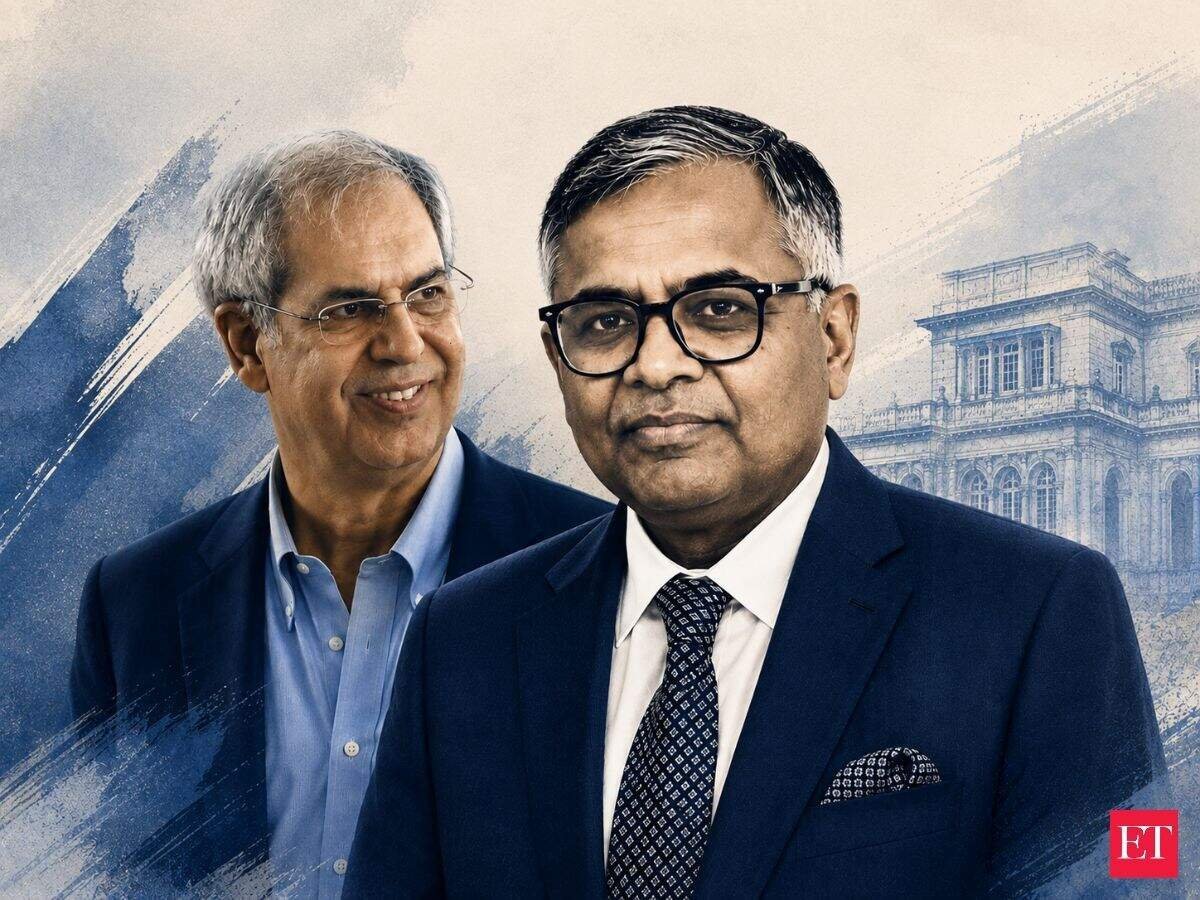
Tata Group listed entities are facing a pivotal proxy governance test as institutional investors and shareholders prepare to vote on the reappointment and remuneration of Tata Sons Chairman N. Chandrasekaran across various group company Annual General Meetings (AGMs).
Key Highlights & Corporate Governance Context
-
The Proxy Advisory Dilemma: Institutional proxy advisory firms and institutional investors are closely scrutinizing executive compensation caps, cross-directorship structures, and the broader governance framework within the sprawling conglomerate.
-
Balancing Growth and Governance: Under Chandrasekaran’s leadership, the Tata Group has aggressively expanded into high-growth, capital-intensive sectors—including electric vehicles, semiconductor manufacturing, electronics assembly, and digital platforms. However, balancing these long-term strategic bets with short-term return metrics remains a focal point for institutional shareholders.
-
Interlocking Directorships: As Chairman of Tata Sons (the core holding and promoter entity), Chandrasekaran holds board seats or chairmanships across major operating companies like Tata Consultancy Services (TCS), Tata Motors, Tata Steel, and Titan. This centralizing structure prompts ongoing debate among institutional investors regarding board independence, minority shareholder representation, and executive workload.
-
Voting Dynamics: While promoter holdings via Tata Trusts and Tata Sons provide a solid baseline of support, mutual funds, foreign portfolio investors (FPIs), and domestic institutional investors (DIIs) are exercising heightened scrutiny on governance resolutions, making these AGM votes an important bellwether for corporate democracy within India’s largest business house.
