

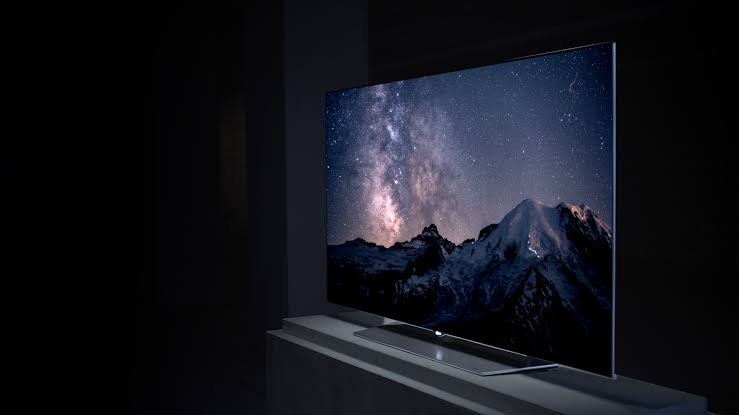
When 4K TVs first arrived, resolution was the ultimate selling point. Upgrading from Full HD to a 4K panel meant a night-and-day difference in screen clarity. Today, however, 4K has become the baseline spec across almost all mid-range and premium televisions.
Because two 4K screens can offer vastly different visual experiences, simply counting pixels no longer tells you how good a TV actually looks. What matters most in 2026 is what the TV does with those pixels—from AI-driven image processing and panel backlighting to peak brightness and refresh rates.
What Actually Matters Beyond Resolution
| Feature | Why It Matters |
| Panel Technology | OLED, Mini LED, and RGB Mini LED deliver far superior contrast, deeper blacks, and richer colors than standard LED. |
| AI Upscaling | Reconstructs and cleans up lower-resolution content (HD TV, YouTube, older films) for a sharper 4K presentation. |
| Peak Brightness | Crucial for making HDR highlights pop and maintaining visibility in brightly lit rooms. |
| Contrast & Local Dimming | Prevents dark scenes from looking washed out or gray, preserving fine shadow details. |
| Image Processor | The engine that controls motion handling, noise reduction, and real-time color grading. |
| Refresh Rate | 120Hz or 144Hz displays provide fluid motion for high-speed sports, gaming, and action scenes. |
1. The Rise of AI Upscaling
We rarely watch native 4K content 100% of the time. Standard broadcast channels, sports feeds, YouTube videos, and compressed streaming media still dominate daily viewing.
Instead of merely stretching lower-resolution signals across 8 million pixels, modern TV processors use AI-powered scene analysis to reconstruct lost detail, remove digital noise, and optimize picture sharpness on the fly. Manufacturers like Samsung have rolled out advanced vision processing algorithms (such as Vision AI across their 2026 lineup) to make sub-4K media look near-native.
2. Advanced Backlighting: Mini LED & RGB Mini LED
A basic LED TV and a Mini LED TV share the same 4K pixel count, but their light control is completely different.
-
Mini LED: Uses thousands of tiny backlight LEDs divided into precise local dimming zones. This significantly reduces “blooming” (light bleed around bright objects on dark backgrounds) and enables massive jumps in peak brightness.
-
RGB Mini LED: One of the biggest TV innovations in 2026. By using individual Red, Green, and Blue sub-LED backlights instead of standard white light, displays achieve unprecedented color accuracy and dynamic contrast.
3. High Refresh Rates: Not Just for Gamers
While standard TV viewing traditionally ran at 60Hz, 120Hz and 144Hz panels are becoming the new standard in premium sets. Higher refresh rates reduce motion blur during fast-moving sports broadcasts (like football or racing) and provide a smoother interface when navigating smart TV apps, in addition to unlocking ultra-low-latency high-frame-rate gaming.
The Modern Buyer’s Checklist
Before purchasing your next 4K TV, prioritize these factors over simple pixel count:
-
Panel & Backlight: Look for OLED, Mini LED, or Quantum Dot solutions over basic edge-lit LED.
-
Processor & AI Upscaling: Ensure the TV features a modern chip capable of frame-by-frame picture optimization.
-
Brightness & HDR: Check peak nit brightness and support for dynamic formats like Dolby Vision or HDR10+.
-
Refresh Rate: Aim for 120Hz or higher if you watch live sports or connect a current-gen console/PC.
-
Smart OS Experience: Choose a platform (like Google TV or Tizen) that offers fluid app support and regular updates.
The Bottom Line
4K tells you how many pixels a TV has—it does not tell you how good those pixels will look. Focusing on the panel technology, processor, and lighting control behind the screen is the real key to making a smart TV upgrade worthwhile.
