

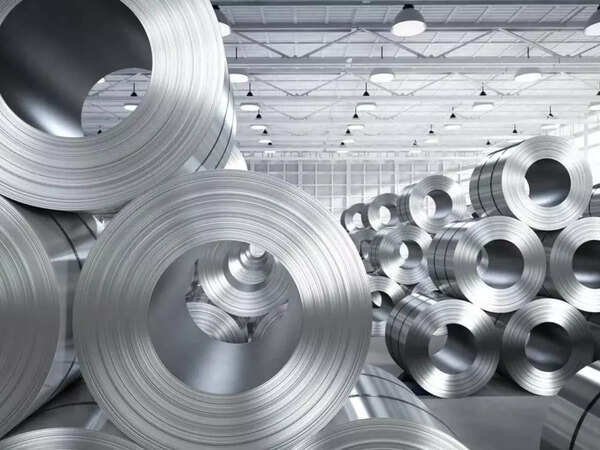
For decades, the Indian metal sector has suffered from a reputation as a textbook cyclical trap. The narrative was predictable: during commodity upcycles, companies borrowed aggressively to fund massive capacity expansions. When the inevitable downturn hit, plunging prices left these firms saddled with heavy debt loads that became nearly impossible to service. Consequently, institutional and retail investors long treated metal equities as short-term, tactical trades rather than core secular holdings.
However, structural balance sheet clean-ups and disciplined capital allocation are challenging that old assumption. Driven by robust internal fundamentals and shifting global supply chains, select metal counters are beginning to command a fresh look from analysts tracking quantitative score improvements.
The Quantitative Framework: Moving Beyond Sentiment
To look past market noise and emotional trading cycles, comprehensive stock evaluation platforms—such as Stock Reports Plus powered by Refinitiv—utilize a standardized scoring model. This approach evaluates equities across five core pillars:
-
Earnings: Revenue growth sustainability, operating margins, and profit predictability.
-
Fundamentals: Return on Equity (ROE), debt-to-equity ratios, and balance sheet health.
-
Relative Valuation: Price-to-earnings (P/E) and price-to-book (P/B) multiples relative to historical averages and sector benchmarks.
-
Risk Parameters: Beta management, volatility dampening, and historical drawdown protection.
-
Price Momentum: Relative strength indicators tracking institutional accumulation patterns.
When stocks consistently elevate their composite scores across these metrics, it signals an underlying operational transformation rather than a mere speculative bounce.
Investment Outlook
While external macro headwinds—such as fluctuating global bond yields, shifting foreign institutional flows, and geopolitical pressures driving crude oil volatility—frequently induce knee-jerk reactions across Indian indices, structurally sound metal players are rewriting their playbooks. With stronger balance sheets and leaner cost structures than in previous decades, top-tier metal companies are better positioned to weather cyclical troughs.
Consensus analyst targets currently point to varying pockets of upside potential ranging from modest single digits up to 17% across select counters, inviting investors to question whether the historical stigma attached to metal stocks is finally due for a contradiction.
